
Low Stomach Acid: The Root Cause Most People Are Missing
Mar 13, 2026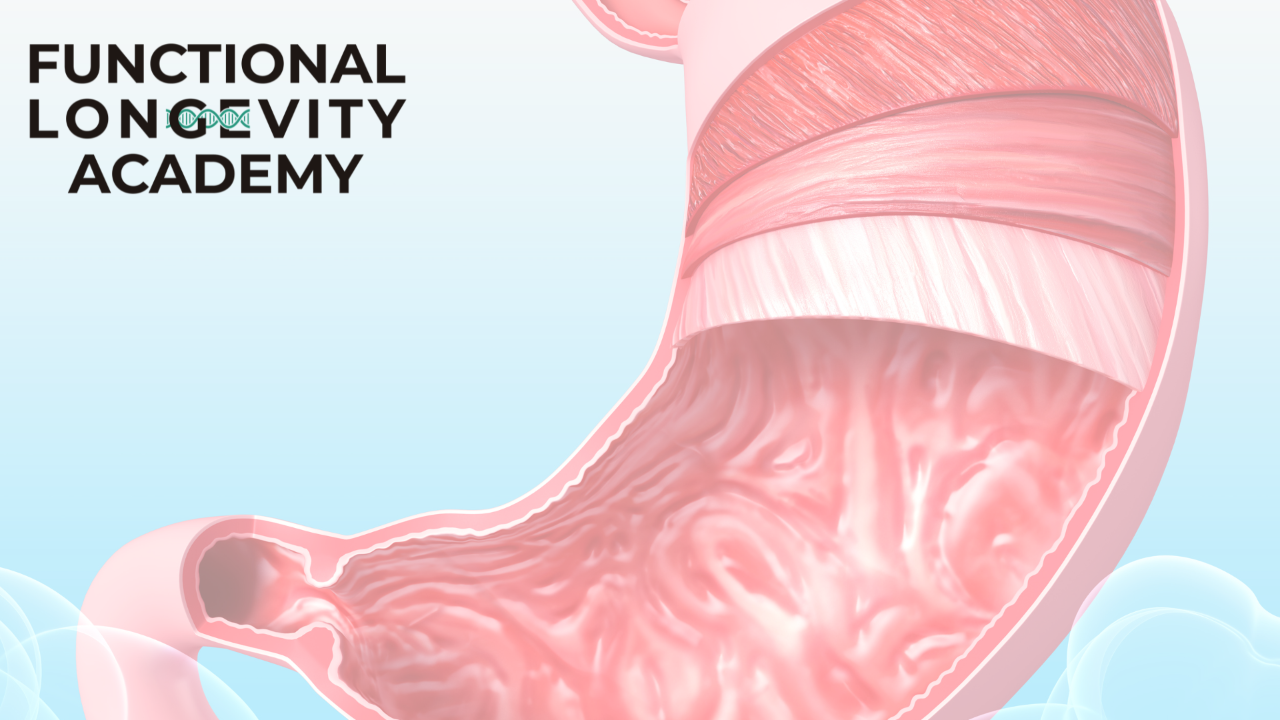
When patients come into my clinic with bloating, reflux, indigestion, or chronic gut issues, they’re often convinced they have too much stomach acid. In fact, many have been told exactly that for years—and placed on acid-suppressing medications that only made things worse over time.
Here’s the truth that surprises most people: low stomach acid is far more common than high stomach acid, and it’s one of the most overlooked root causes of chronic digestive and systemic symptoms I see in functional medicine.
Stomach acid isn’t something the body produces “by accident.” It’s a critical part of digestion, nutrient absorption, immune defense, and even hormone balance. When it’s low, digestion doesn’t just slow down—it falls apart in a very predictable, very systematic way.
Why Stomach Acid Matters More Than You Think
A healthy stomach is supposed to be highly acidic. That acidic environment is what allows you to break down protein, absorb minerals, and kill off pathogens before they ever reach the intestines. When acid levels drop, everything downstream is affected.
Protein digestion is often the first place things go wrong. Without enough acid, proteins aren’t fully broken down, which means the body can’t access the amino acids it needs to build neurotransmitters, detoxify hormones, repair tissue, or maintain muscle mass. Many patients eat plenty of protein but still feel fatigued, weak, or inflamed—because they’re not actually digesting what they’re eating.
Low stomach acid also interferes with absorption of key nutrients like vitamin B12, iron, zinc, magnesium, and chromium. This is why we often see unexplained anemia, hair thinning, brittle nails, low energy, or immune weakness in patients whose diets look “fine” on paper.
And then there’s the immune side of the equation. Stomach acid is one of your body’s first lines of defense. When it’s low, bacteria, yeast, and parasites that should have been neutralized in the stomach are allowed to pass through into the small intestine. Over time, this sets the stage for SIBO, candida overgrowth, chronic dysbiosis, food sensitivities, and even autoimmunity.
So Why Does Stomach Acid Get Low in the First Place?
Low stomach acid doesn’t just happen randomly. It’s almost always the result of chronic stress on the system.
When the body is stuck in fight-or-flight, digestion becomes a low priority. Acid production drops. Enzyme release slows. Bile flow becomes sluggish. This is why so many people feel bloated or uncomfortable after meals when they’re stressed—even if they’re eating “healthy” foods.
Thyroid dysfunction is another major contributor. Thyroid hormones play a direct role in stimulating stomach acid production, so when thyroid signaling is low—or when conversion from T4 to T3 is impaired—acid levels often fall right along with it.
Certain infections, particularly H. pylori, can also suppress stomach acid. This organism actually thrives in a less acidic environment, so it actively works to reduce acid levels to ensure its survival.
Aging, autoimmune gastritis, nutrient deficiencies, and long-term use of acid-suppressing medications all further compound the problem. Over time, what started as mild indigestion can turn into a complex web of gut, immune, and hormonal dysfunction.
The Symptoms Don’t Always Look Like “Digestive” Problems
This is where things get tricky. Low stomach acid doesn’t always show up as obvious heartburn or pain. In fact, many patients with hypochlorhydria experience symptoms that seem completely unrelated to digestion.
They feel bloated or full after only a few bites of food. They burp excessively or feel pressure in the upper abdomen. They’re exhausted after meals. They struggle with brain fog, allergies, rosacea, or chronic infections. They’ve tried elimination diets, probiotics, and supplements—but nothing seems to stick.
Ironically, reflux is one of the most common symptoms of low stomach acid, not high. When digestion is delayed and food sits in the stomach too long, pressure builds and contents reflux upward. Suppressing acid in this situation may temporarily reduce burning—but it often worsens the underlying problem.
A Functional Medicine Approach to Supporting Stomach Acid
In functional medicine, the goal isn’t to suppress symptoms—it’s to restore normal physiology. For many patients, that means temporarily supporting stomach acid while we address the upstream drivers like stress, thyroid function, infections, and nutrient deficiencies.
When appropriate, we may use betaine HCl with pepsin as a short-term support. This isn’t something to take blindly or indefinitely—it’s a tool used thoughtfully and strategically.
Typically, we start low and work up slowly, taking HCl in the middle of protein-containing meals and monitoring how the body responds. The goal is to find the lowest effective dose that supports digestion without causing discomfort. As the gut heals and underlying issues are corrected, many patients are able to taper off completely.
It’s also important to say clearly: stomach acid support is not appropriate for everyone. Patients with active ulcers, gastritis, or certain medication use need a different approach. In those cases, we focus first on repairing the stomach lining and calming inflammation before even considering acid support.
This Is About Restoration, Not Replacement
One of the most important things I teach both patients and providers is this: low stomach acid is rarely the true root cause—it’s a signal.
It’s a sign that the nervous system is dysregulated, the thyroid isn’t signaling properly, nutrients are depleted, or the gut has been under chronic stress for too long. Supporting stomach acid can be incredibly helpful, but lasting healing comes from addressing why acid production dropped in the first place.
When we do that—when we support stress physiology, optimize thyroid conversion, clear infections, and replete nutrients—the body often remembers how to do its job again.
The Takeaway
If you’re struggling with chronic digestive issues, nutrient deficiencies, immune problems, or unexplained fatigue, low stomach acid deserves a closer look. It’s not something to fear—it’s something to understand.
Digestion is foundational. When it works well, everything downstream works better. And when it doesn’t, the effects ripple far beyond the gut.
You’re not broken—you’re under-digesting.
And once digestion improves, healing often accelerates in ways patients never expected.
Ready to Connect the Dots for Your Patients?
Stop treating symptoms in isolation. Download my free Root-Cause Roadmap to learn the 3-step framework that connects symptoms to systems—so you can finally see the full picture.
Author